Research topics
HydroLab-uniUD’s research topics are:
Hydrology
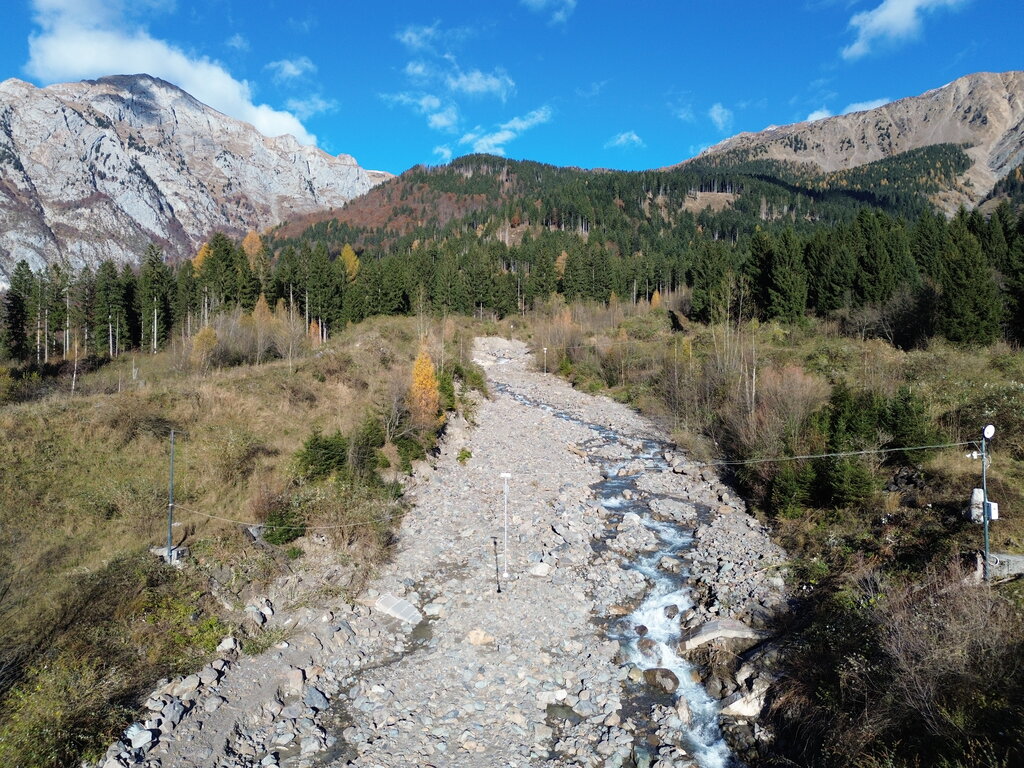
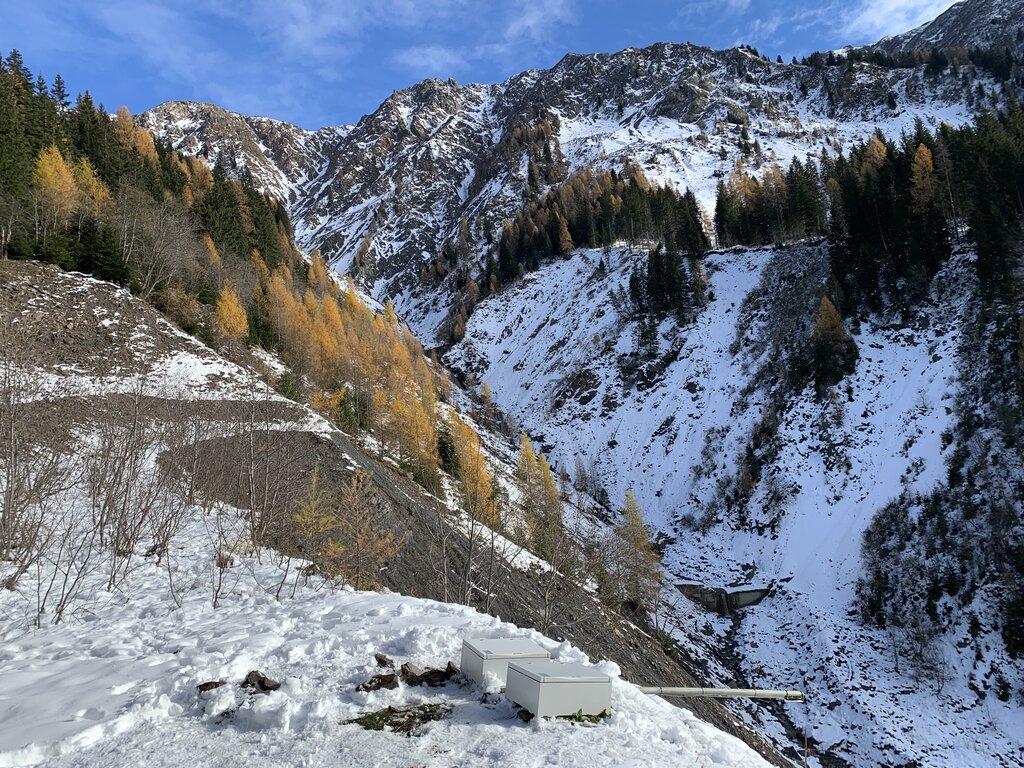
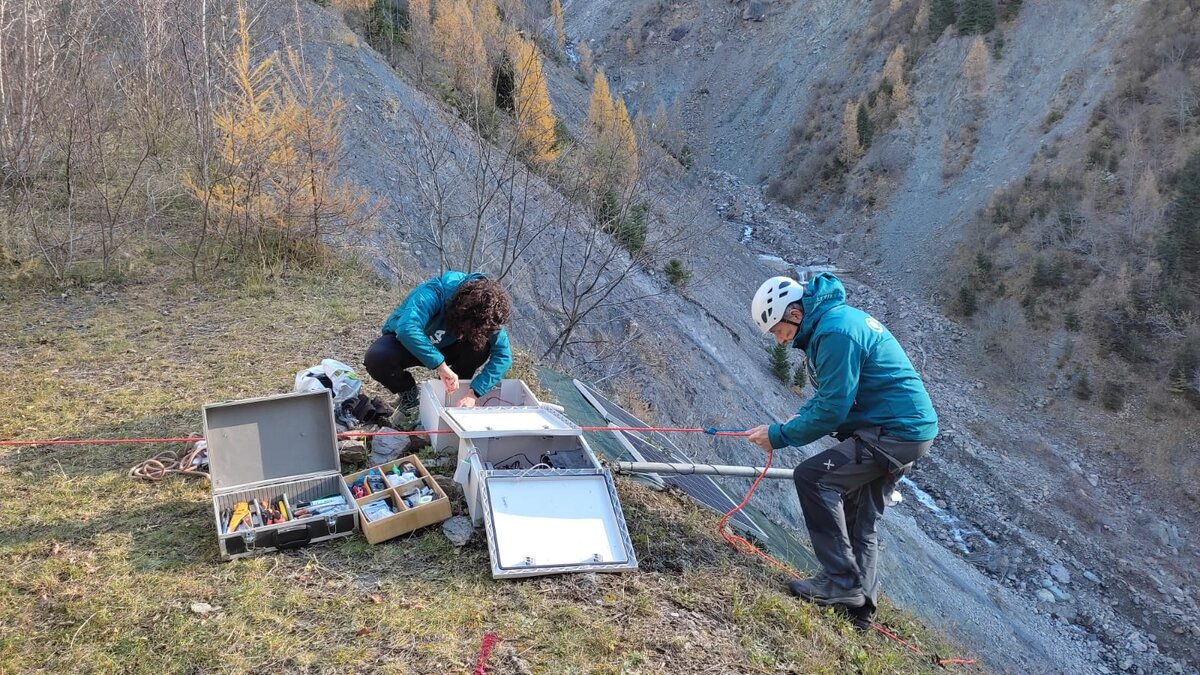
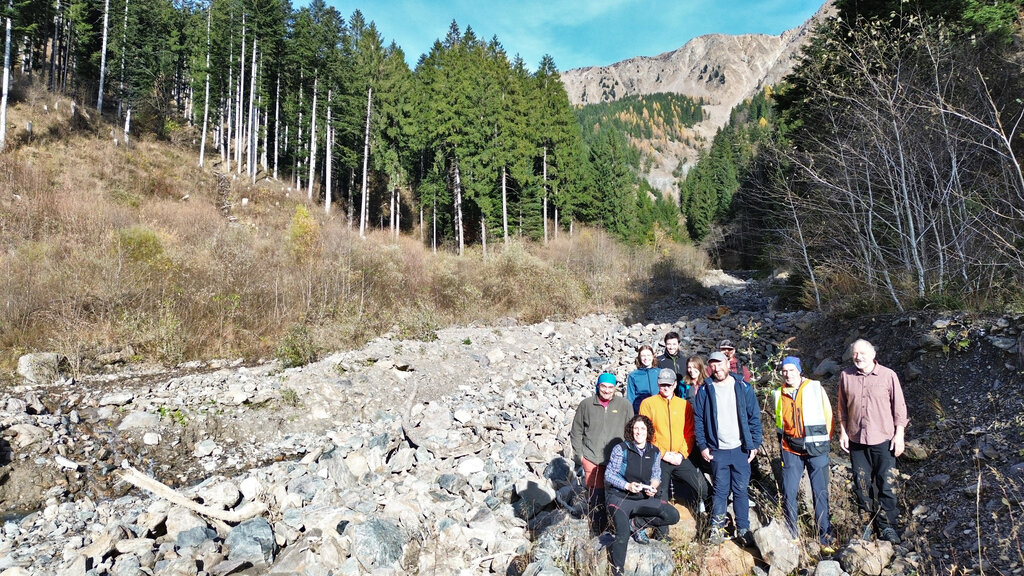
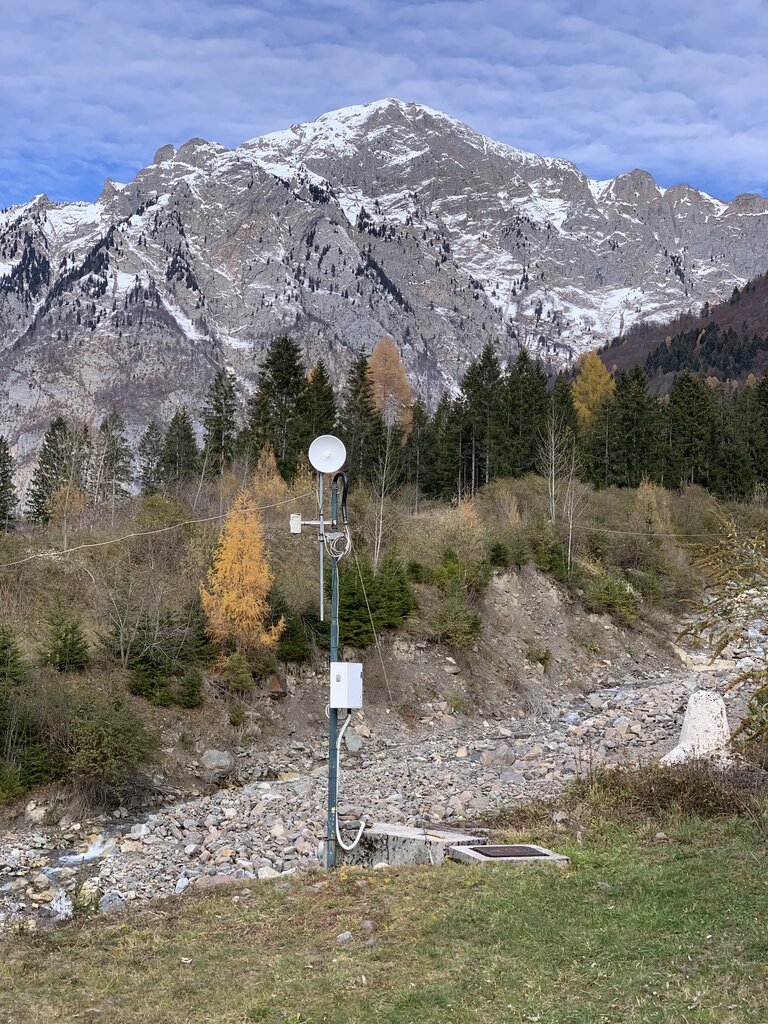
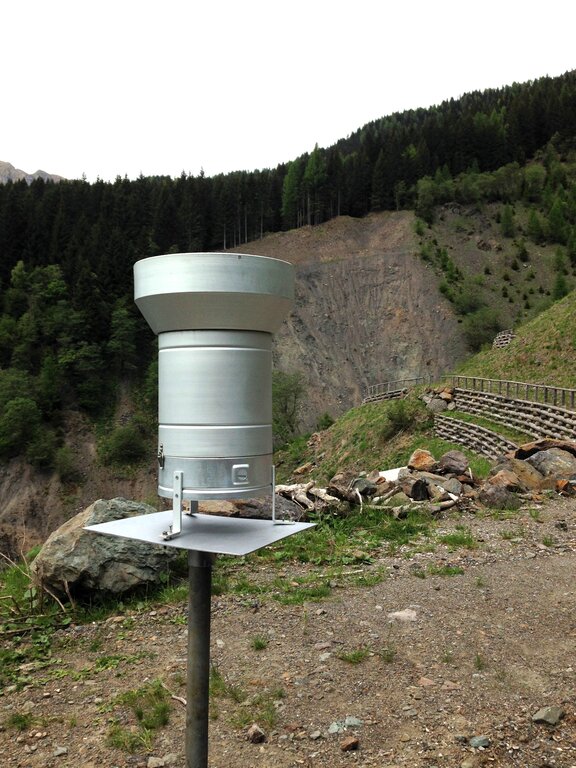
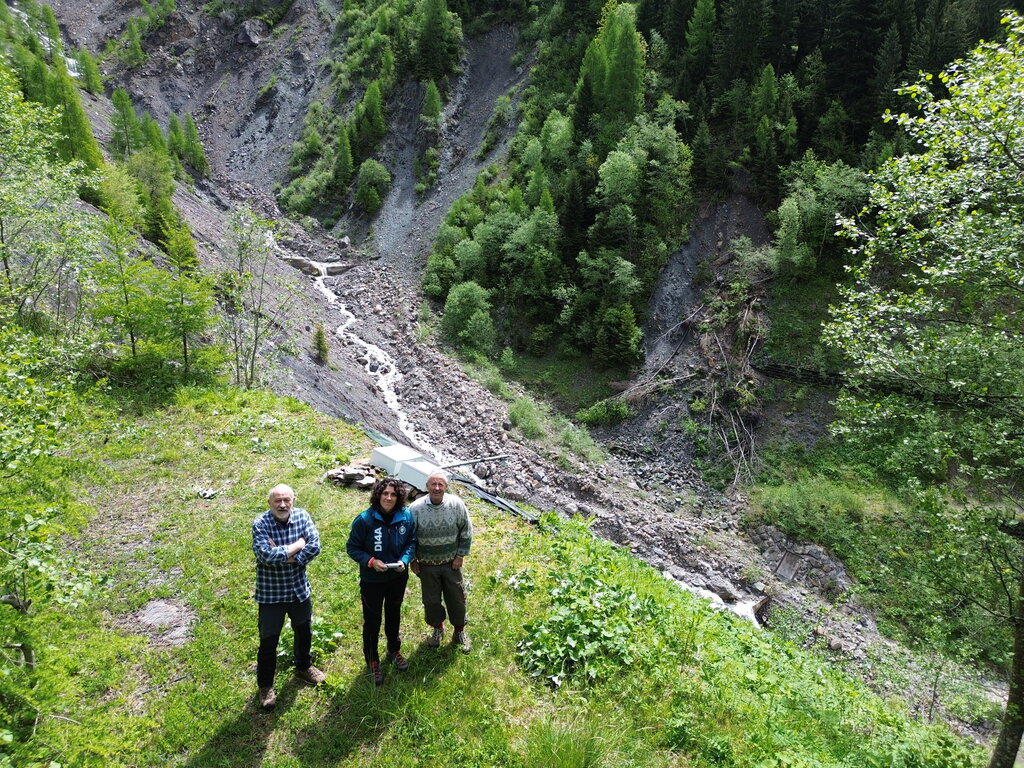
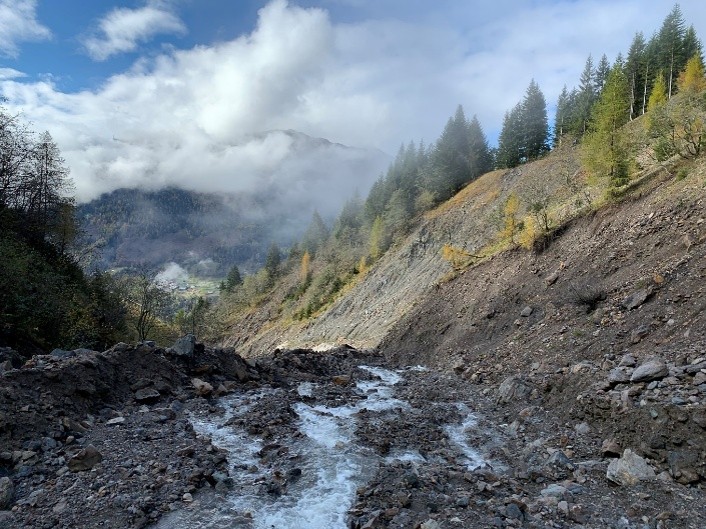
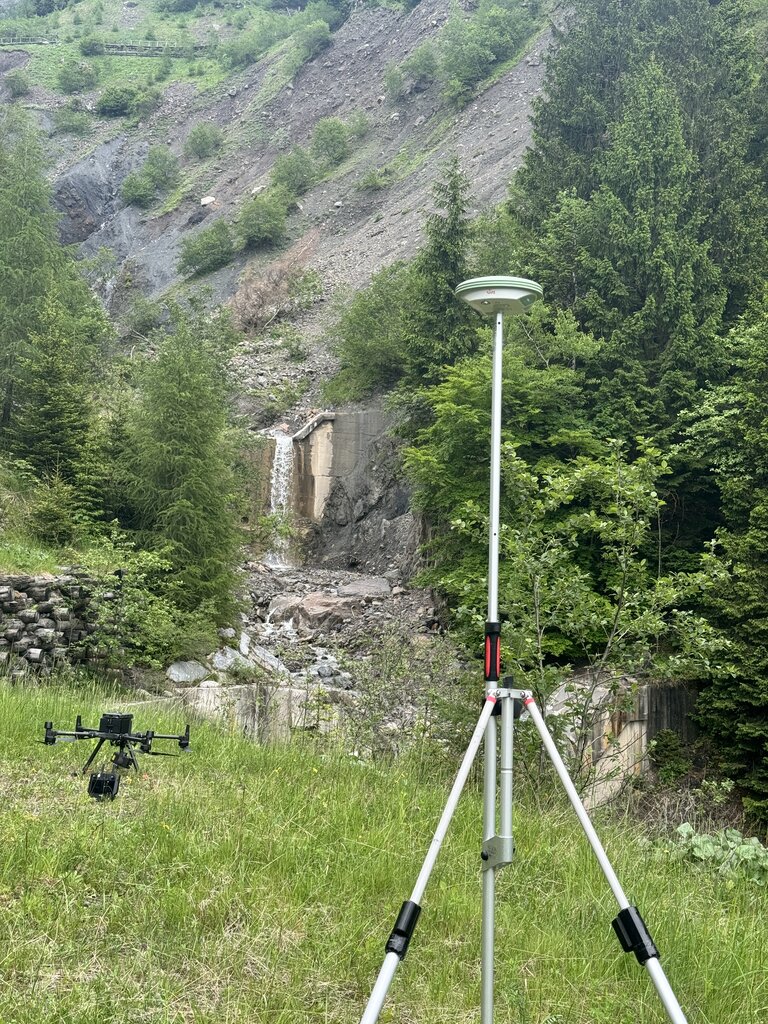
Research activities in the field of hydrology focus on analysing the processes that govern the water cycle in mountain catchments and on their numerical modelling. Areas of work include monitoring meteorological events, measuring runoff, and analysing hydro-erosion phenomena, with a particular focus on the effects of climate change on water resources. The laboratory uses automatic or semi-automatic monitoring stations designed and built in-house, installed in several pilot catchments in Carnic Alps and the Julian Alps. The laboratory develops and applies advanced hydrological models (digital twins), integrates data from high-resolution monitoring networks, and uses geomatics and remote sensing techniques to improve the forecasting of extreme hydrological events. Hydrological surveys are also carried out to support the laboratory’s other research areas.
Watershed Management
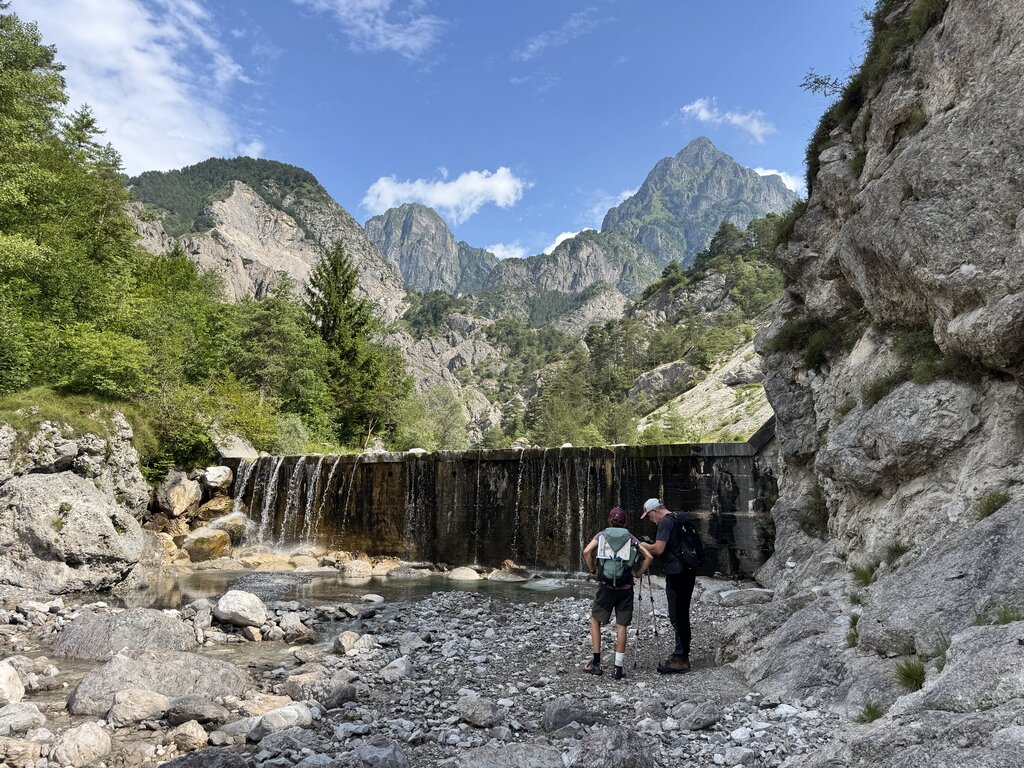
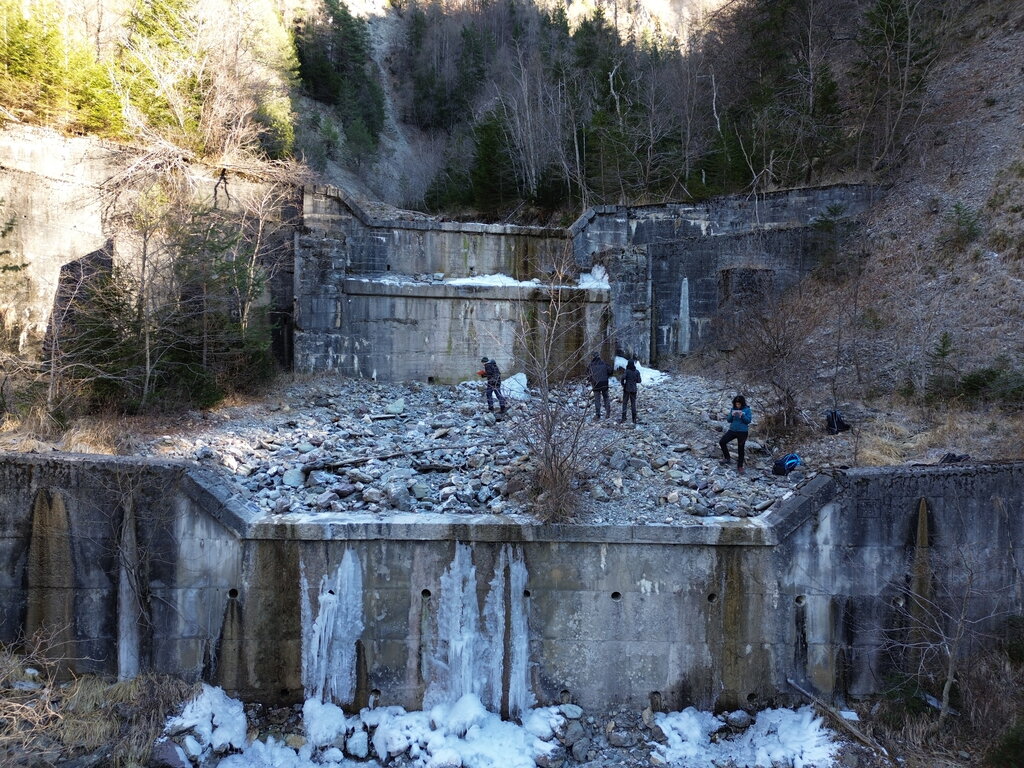
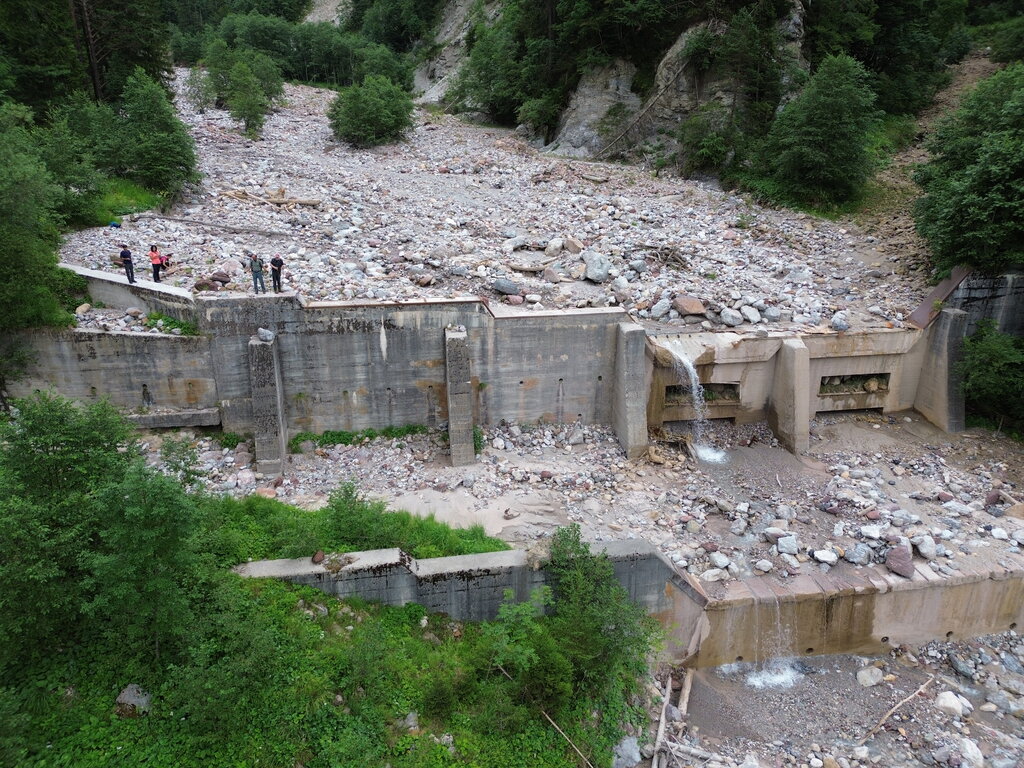
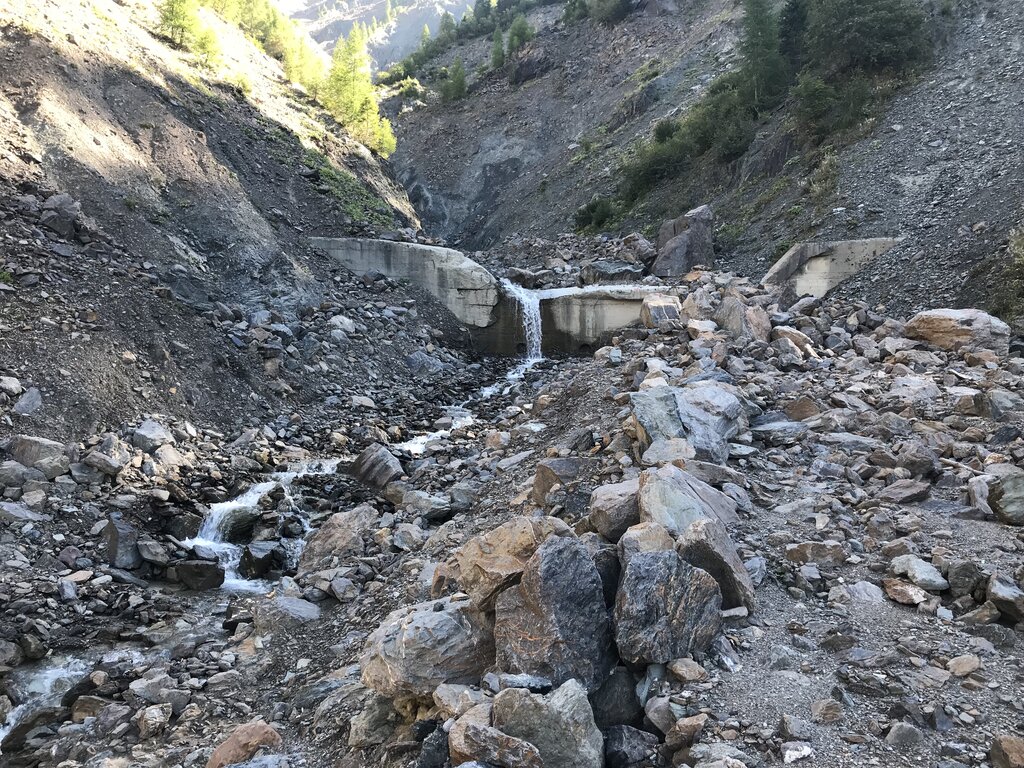
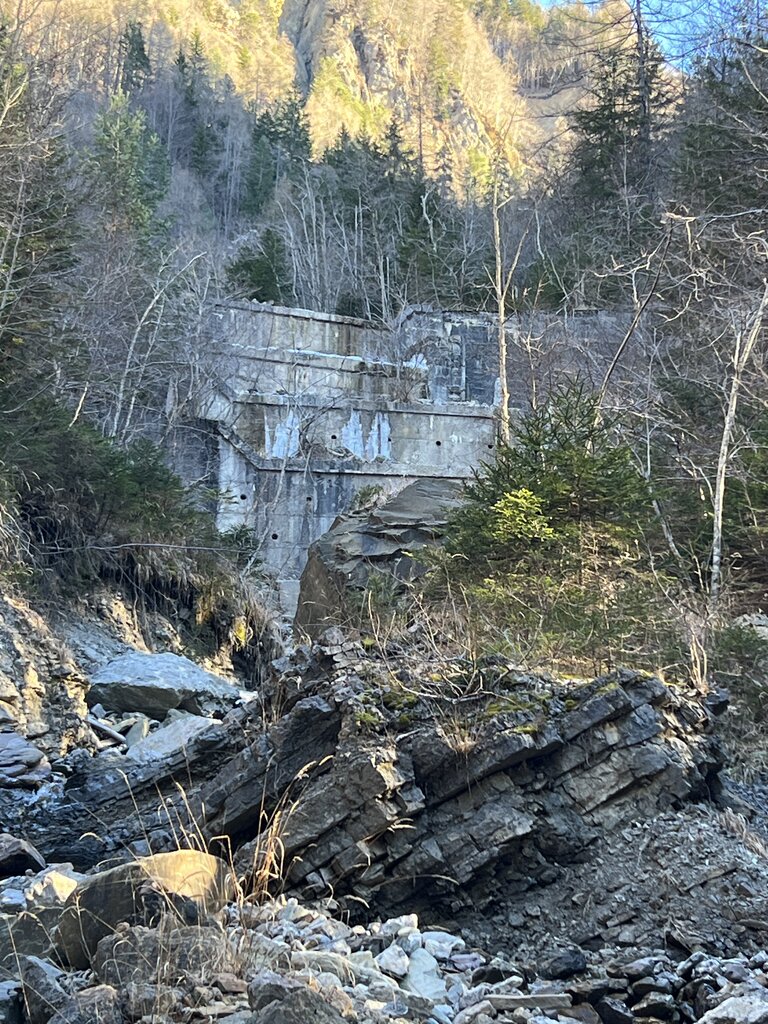
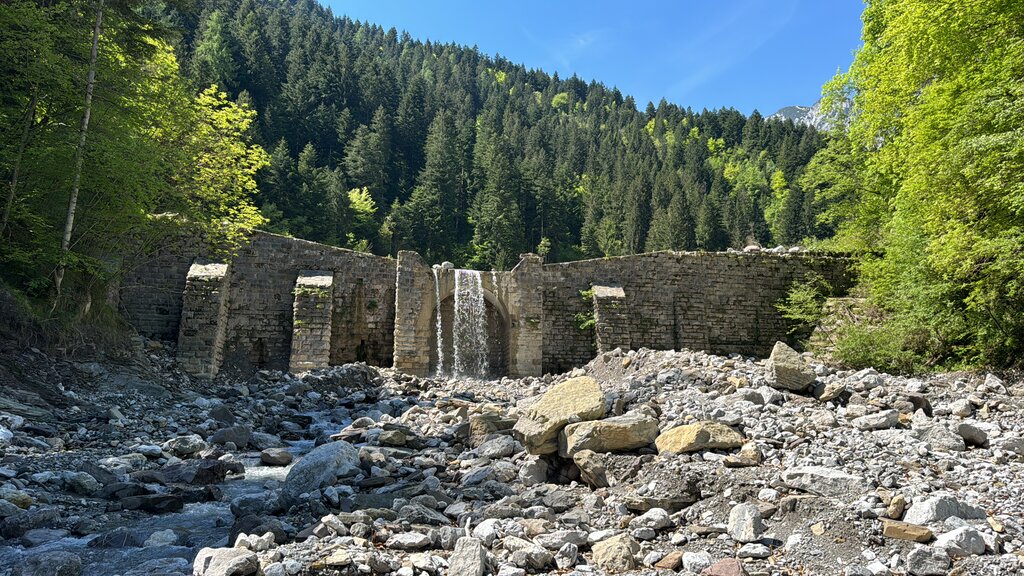
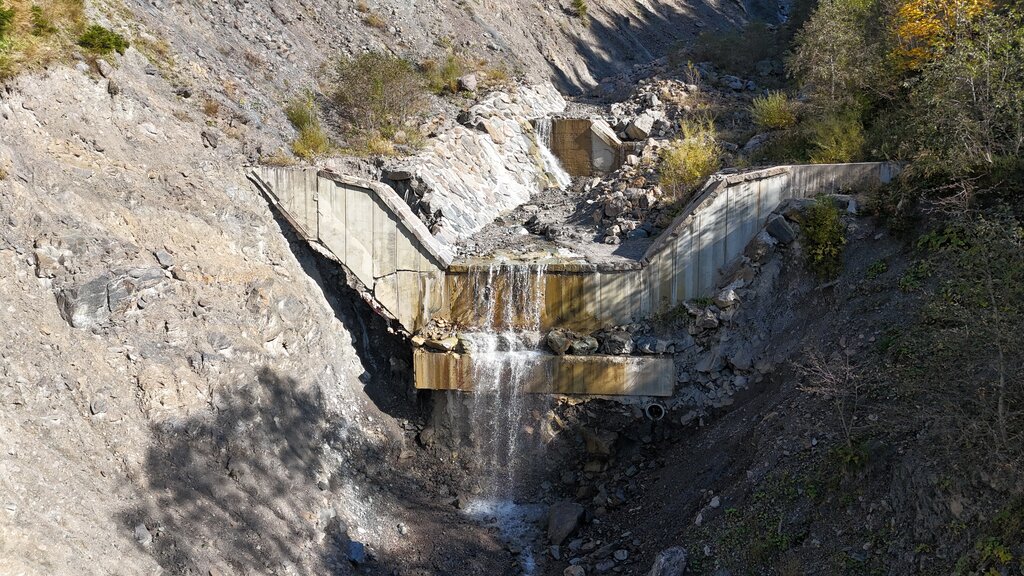
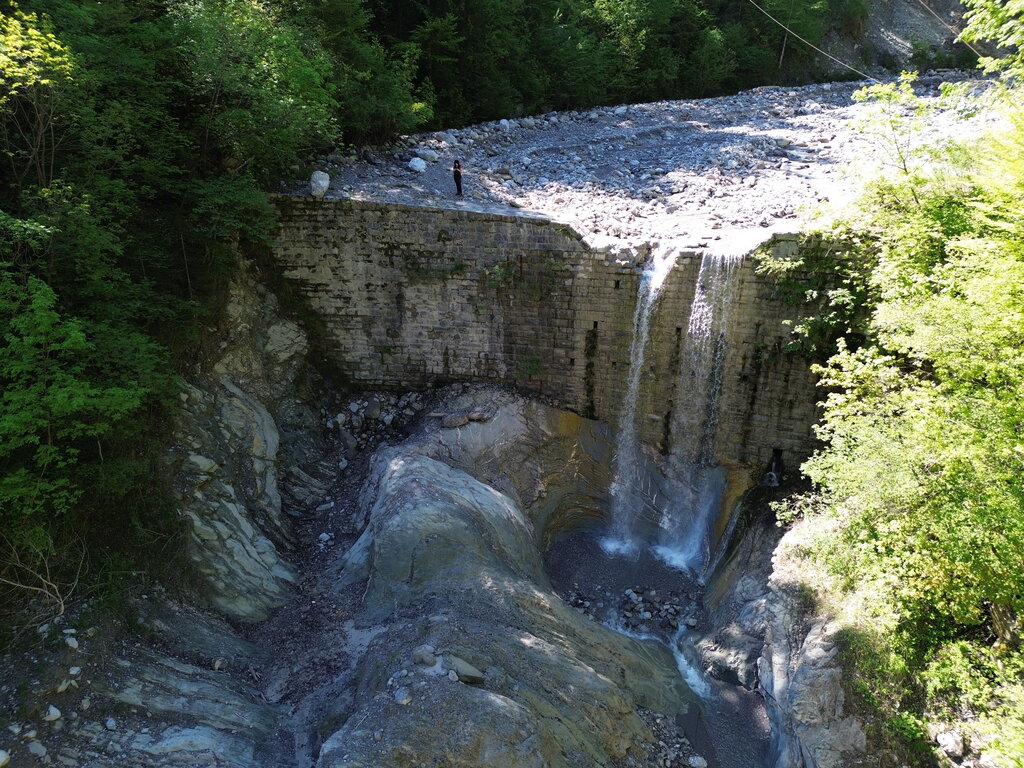
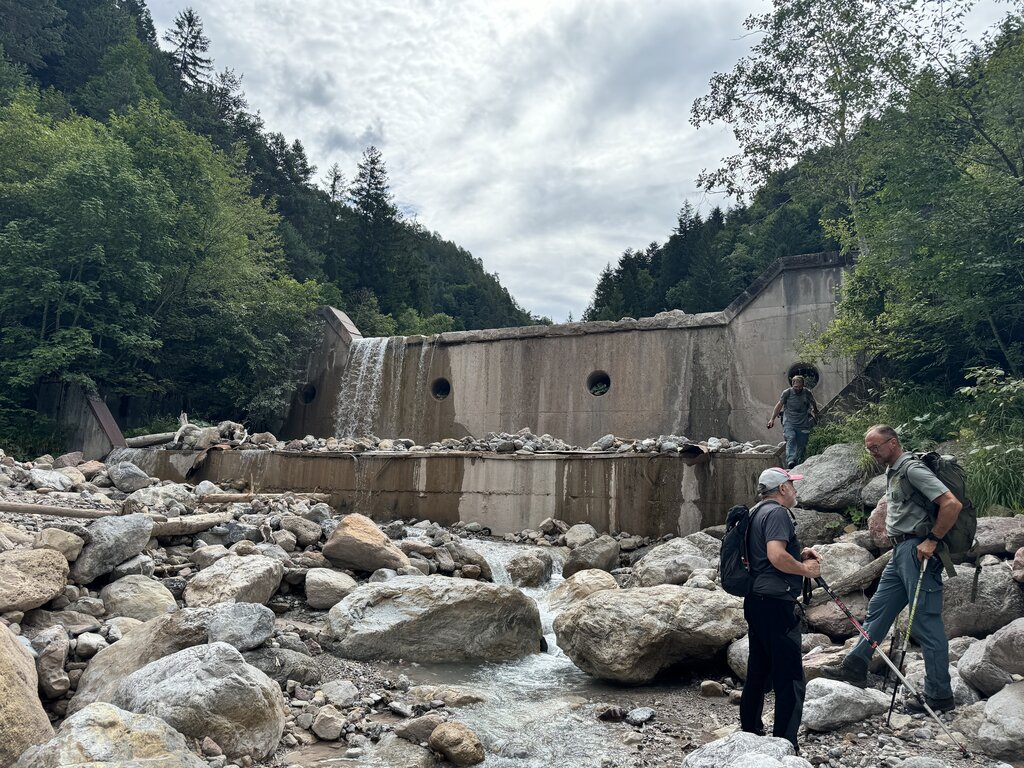
This line of research explores the role of torrent control structures in mitigating hydro-geological risks in mountainous environments. In particular, it analyses the interaction between sediment dynamics and torrent control works, using an integrated approach combining modelling, monitoring and topographical surveys that utilise remote sensing techniques. Particular attention is paid to assessing the effectiveness, maintenance and long-term sustainability of these structures , within the context of integrated land-use planning in light of climate change and extreme events. An example of the research carried out in this field is the monitoring site on the Moscardo torrent (Paluzza, UD), where there are numerous stations for measuring and observing debris-flow phenomena (e.g., www.youtube.com/@HydroLab_uniUD) recorded over the last few decades.
Glaciology
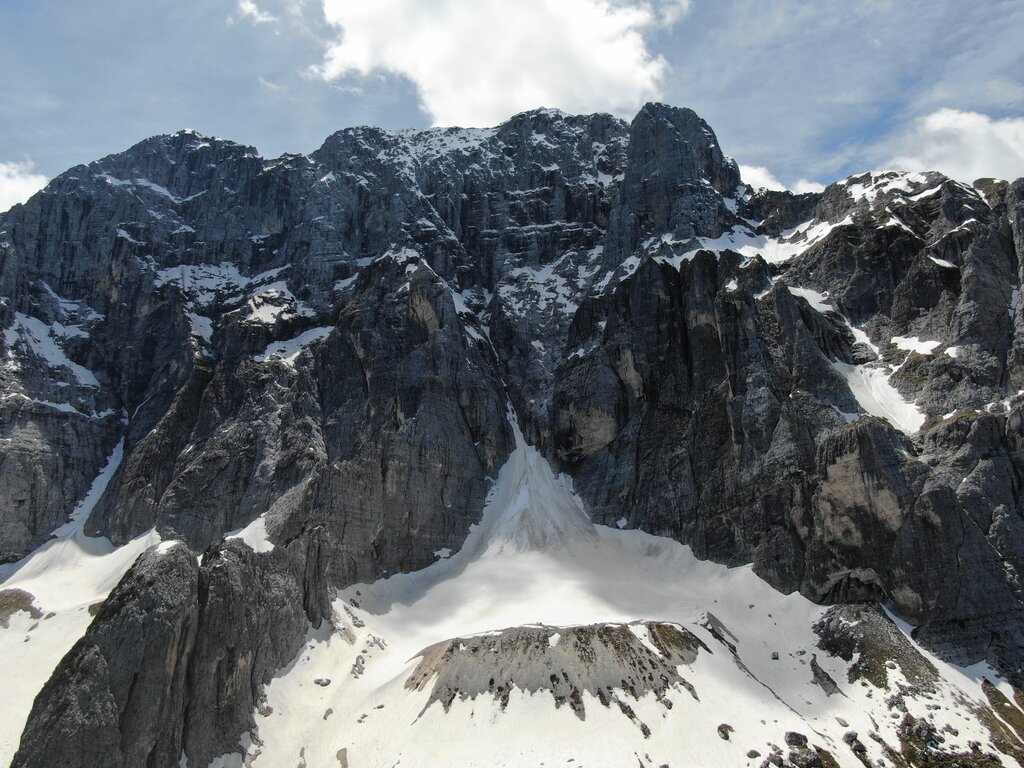
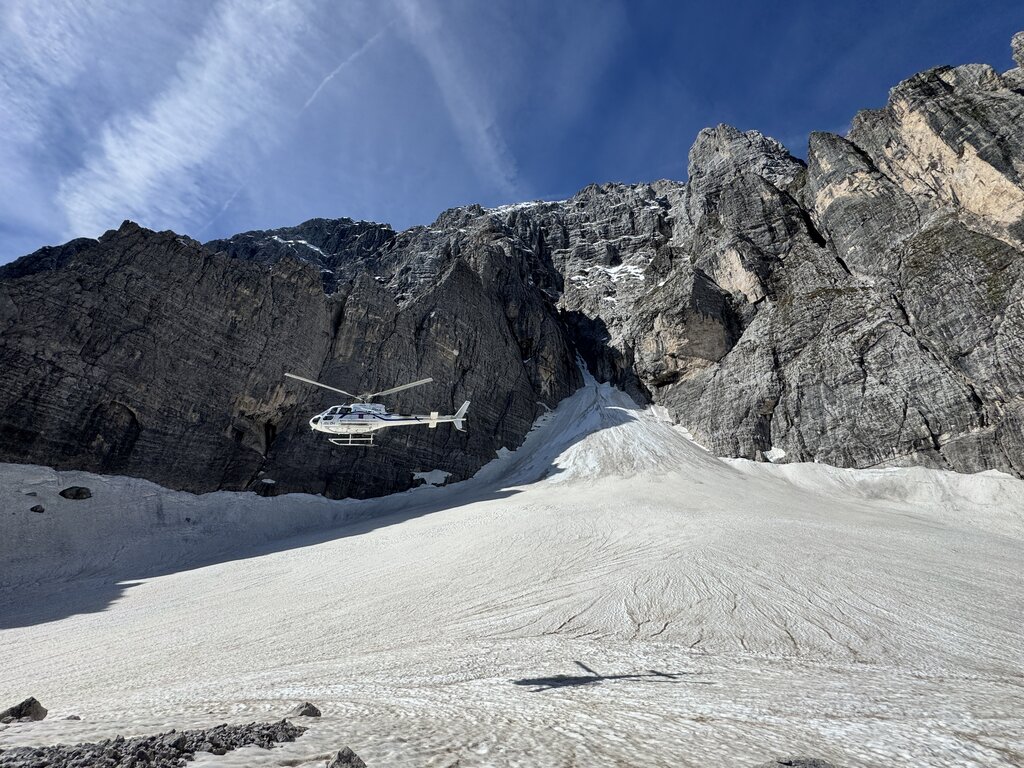
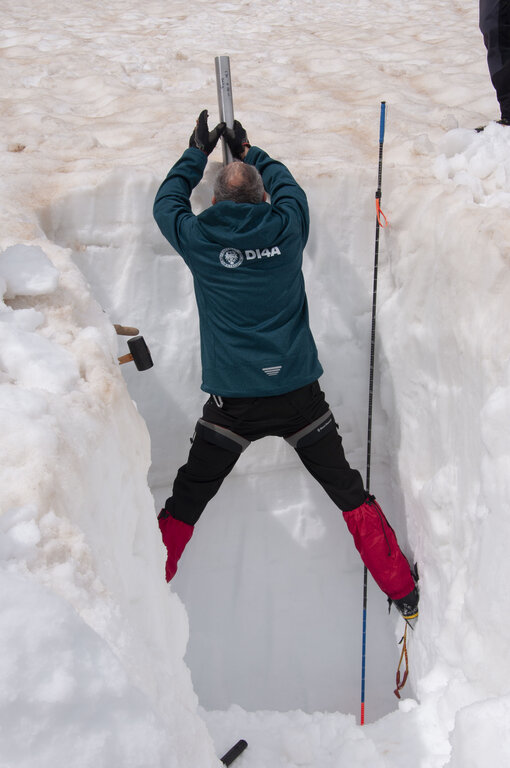
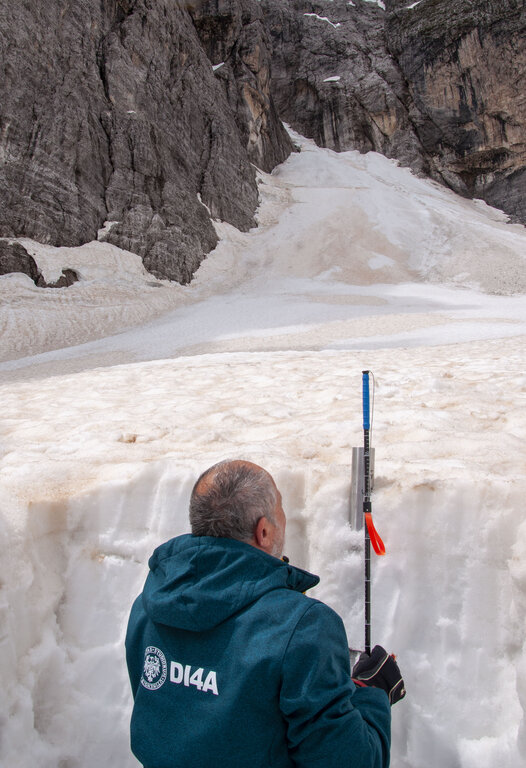
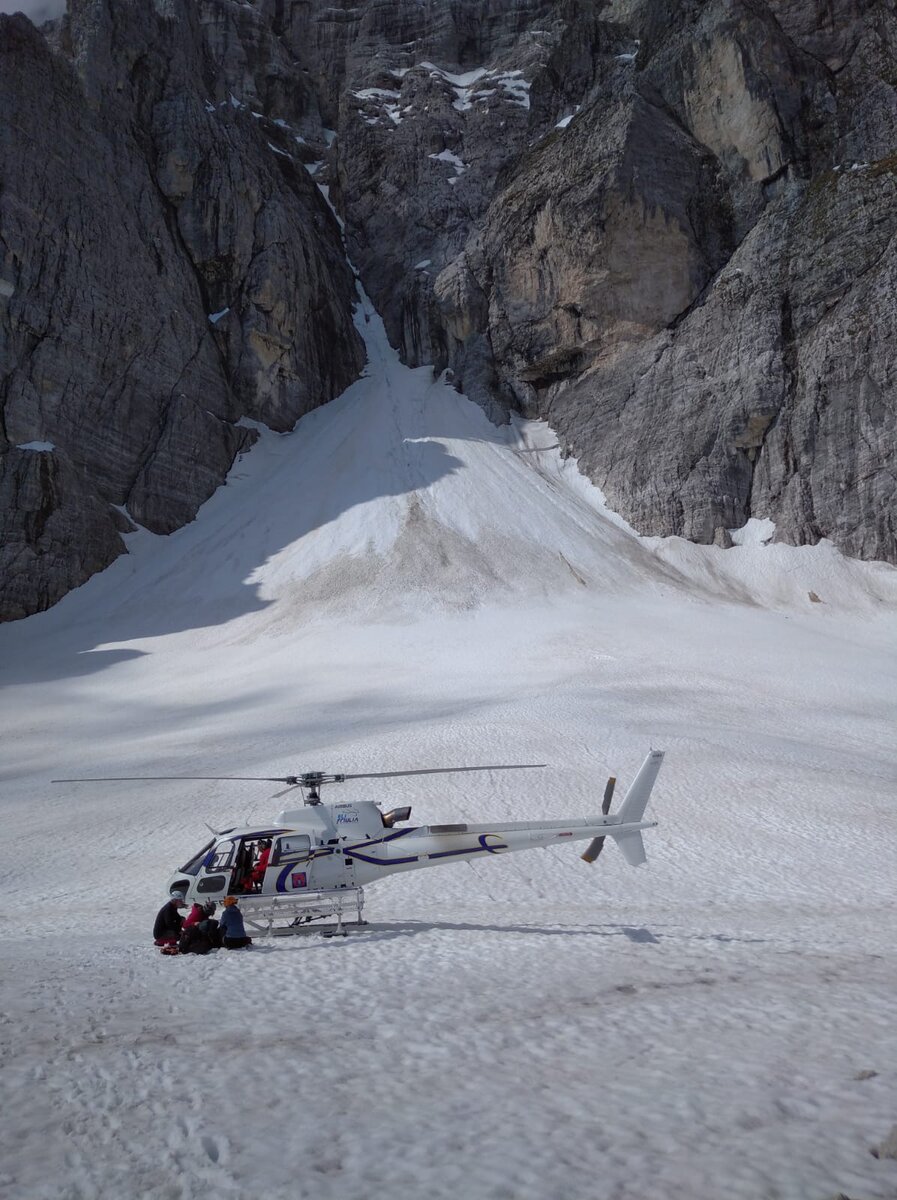
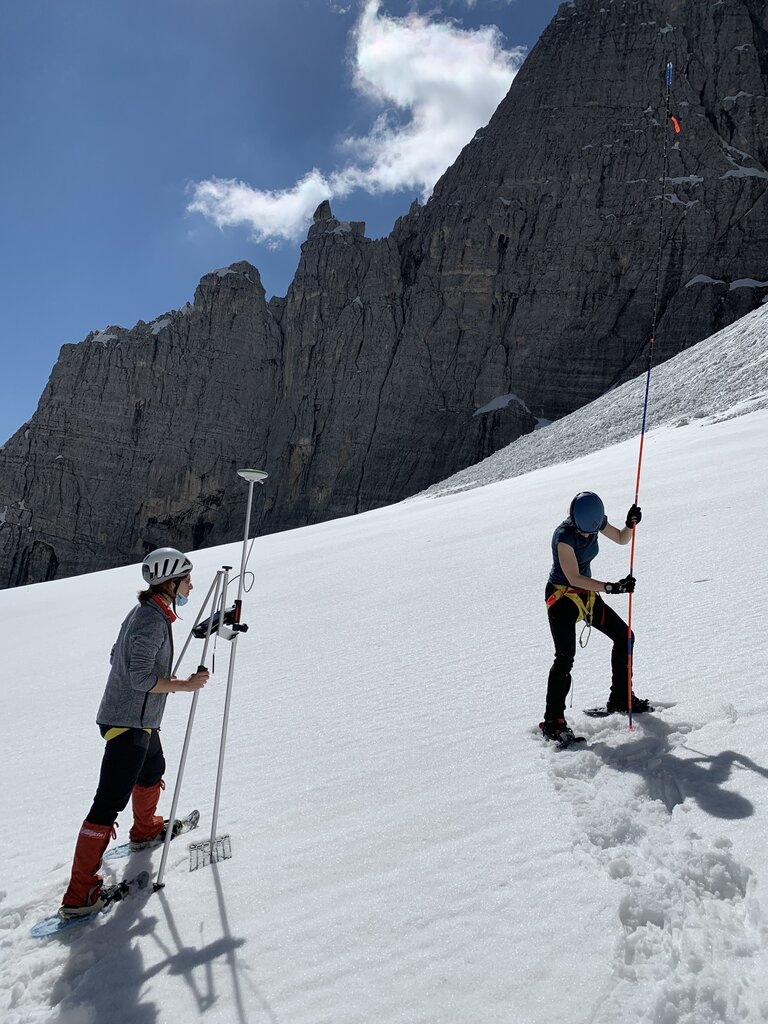
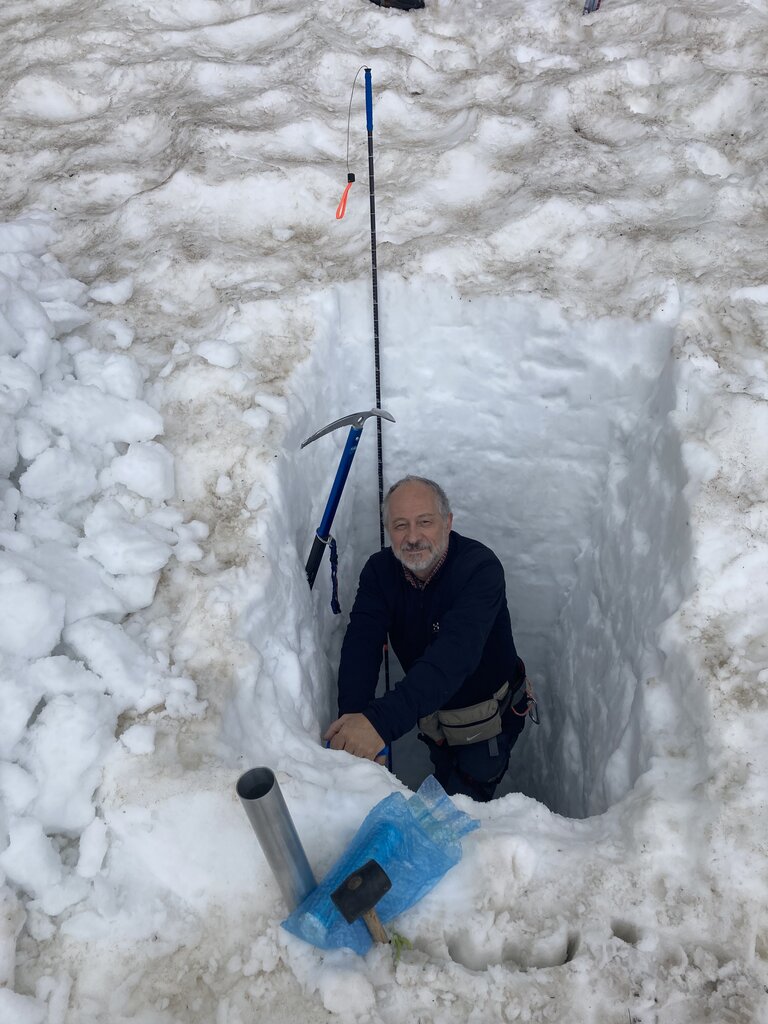
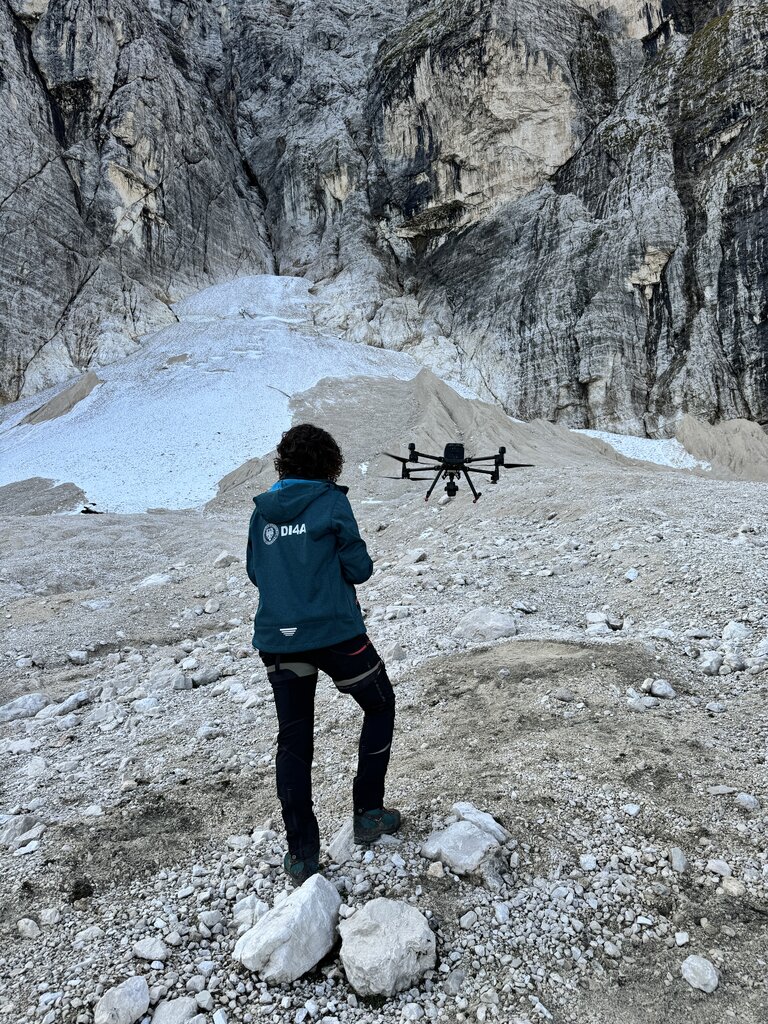
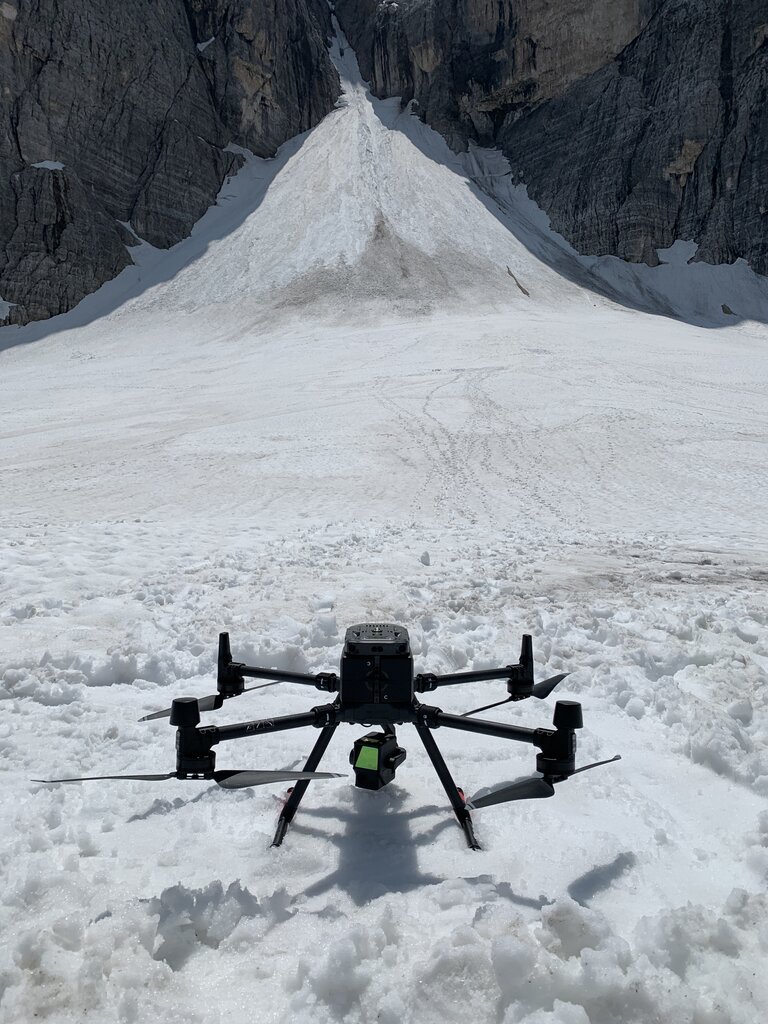
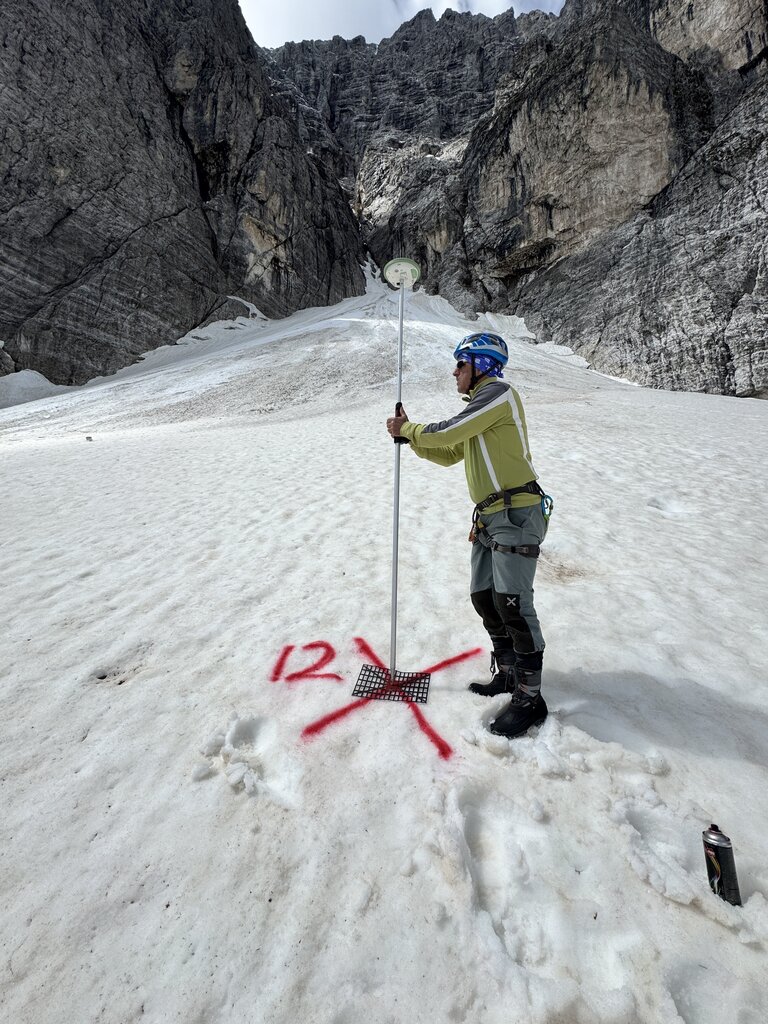
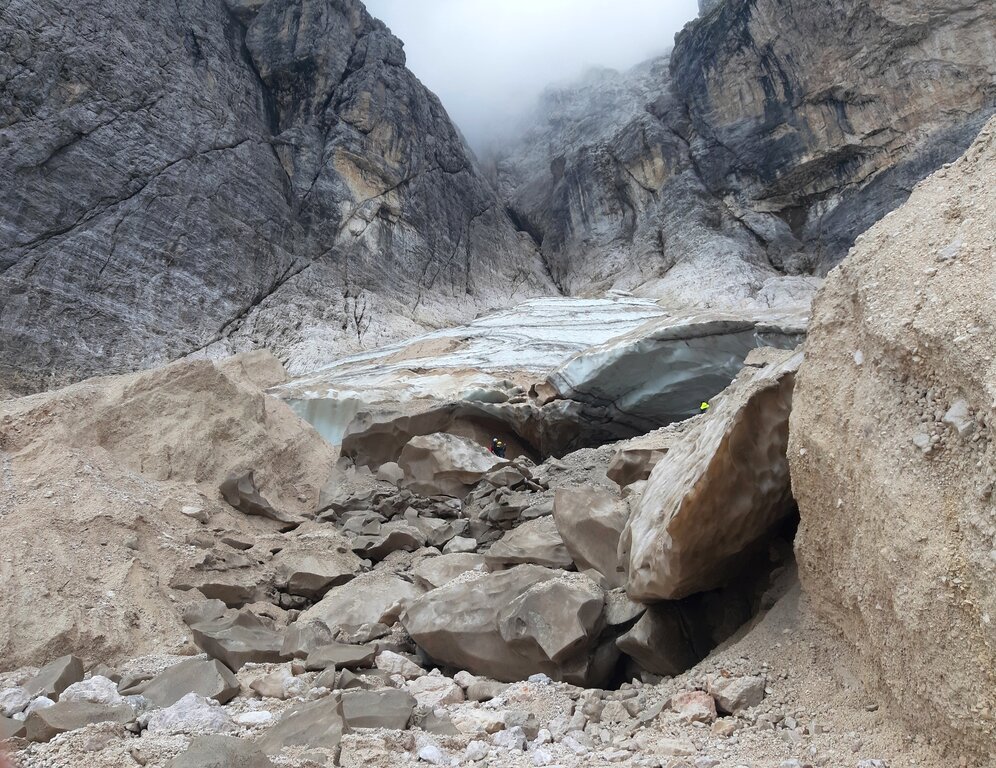
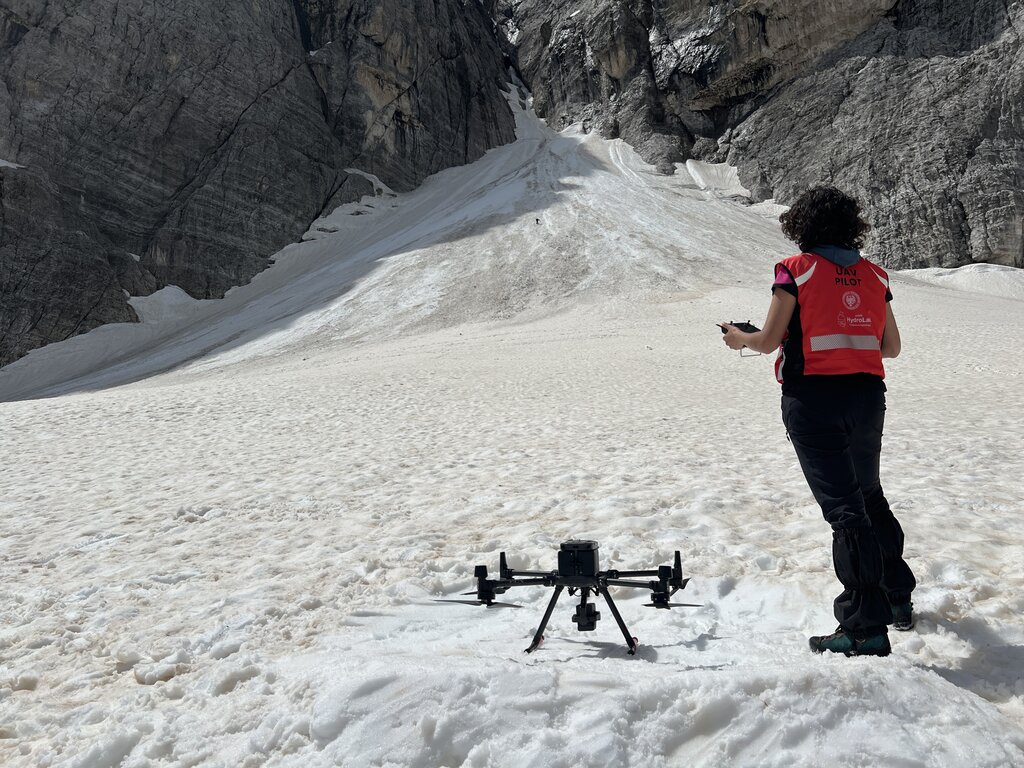
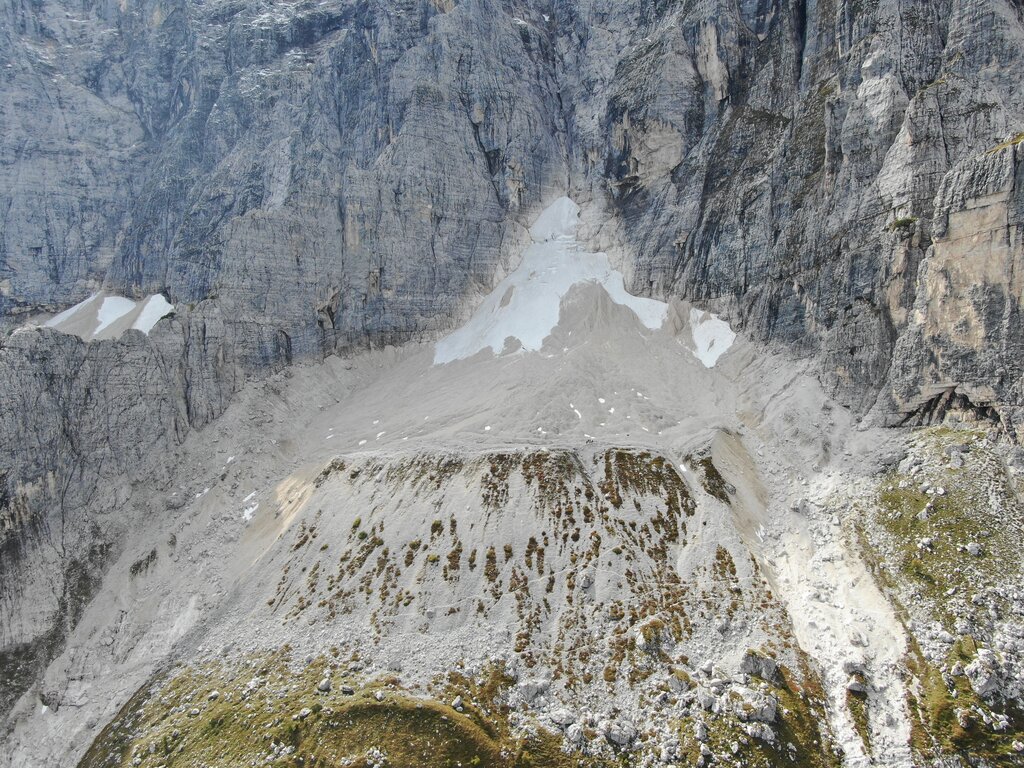
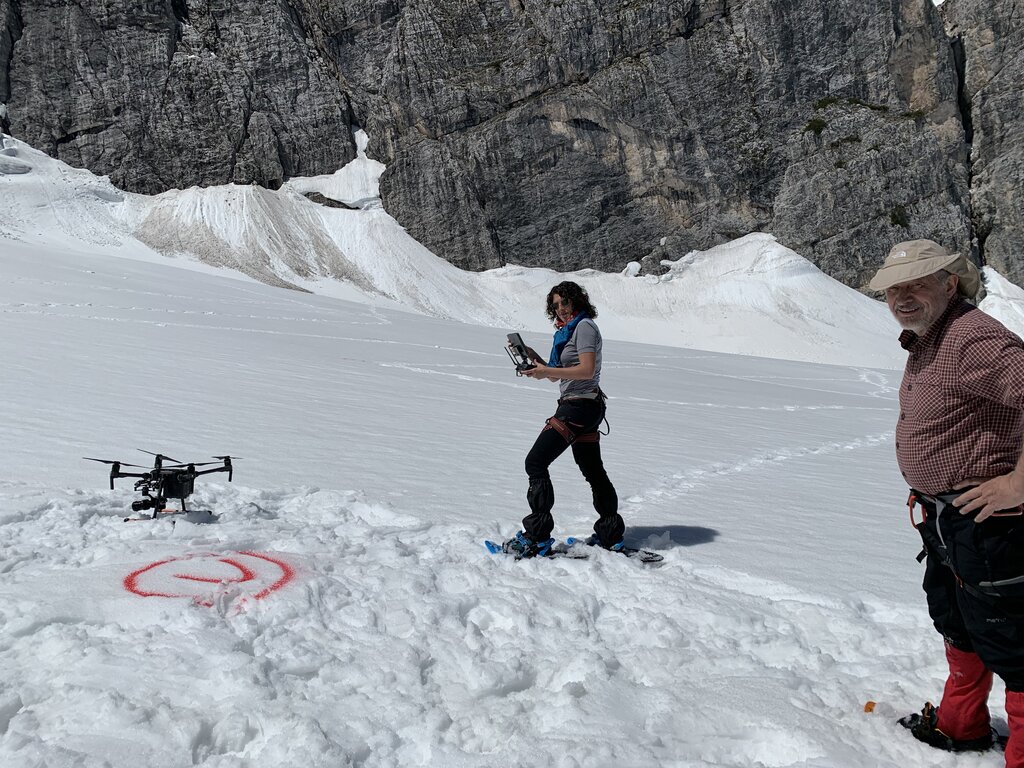
The laboratory’s glaciological research examines the processes governing the evolution of glaciers and proglacial environments, with a focus on the mountainous regions of the Alps and the dynamics of the glacial landscape. Research includes monitoring changes in the glacial volumes , studying glacial landforms and sediments, and analysing the interactions between glacier melt, permafrost and hydro-geomorphological processes. The laboratory’s extensive experience in surveying and digital mapping has enabled it to contribute to innovations in the surveying of the Alpine cryosphere, based on ultra-high-resolution topography using LiDAR, digital photogrammetry and drones. In this context, systematic monitoring of the Western Montasio Glacier in the Julian Alps began over 15 years ago.